
what is a laminated glass
Understanding Measurement The 4% Foot Level with Ruler When it comes to measurement, precision is key, and tools like rulers become essential in various fields such as architecture, carpentry, and education. One intriguing aspect of measurement is how seemingly small percentages can lead to significant implications in real-world applications. The concept of the 4% foot level often ties into height measurements, adjustments, and standards across different disciplines. In this article, we will explore what the 4% foot level signifies, its applications, and the importance of accurate measurement with tools like rulers. The Basics of Measurement To understand the essence of the 4% foot level, we must first discuss measurement itself. Measurement involves assigning numbers to physical quantities. Rulers provide a straightforward way to measure lengths, widths, and height. The typical ruler, often marked in both inches and centimeters, enables individuals to ascertain dimensions accurately. Rulers can come in various formats. For instance, a standard wooden ruler usually measures 12 inches long, while a metric ruler can measure up to 30 centimeters. Both rulers are divided into smaller increments, allowing for precise readings. In fields where precision is paramount, such as engineering or construction, even a slight miscalculation can result in significant errors. This is where the 4% foot level can come into play, dictating specific thresholds for measurements. The Concept of the 4% Foot Level The term “4% foot level” might not be universally defined, but it can refer to several specific situations related to design and structural integrity. Generally, in contexts like building codes or safety regulations, a 4% variance could relate to allowable tolerances in height or levelness to ensure safety and functionality. For instance, in sloped surfaces, adherence to the 4% foot level could mean maintaining the slope within acceptable limits for accessibility and safety. 4 foot level with ruler In the construction industry, understanding and maintaining proper levels is crucial. The 4% foot level could be a guideline for setting the maximum allowable slope of a ramp, surface, or other structures. For instance, a ramp designed for wheelchair access must comply with the Americans with Disabilities Act (ADA), which stipulates that the slope should not exceed 112 ratio, corresponding to roughly 8.33%. If we calculate a 4% grade, this translates to a slope of about 1 inch of rise for every 24 inches of run. This ensures that those who may have mobility challenges can access buildings and public spaces safely. Using a Ruler for Precision To achieve accuracy in measurements relating to the 4% foot level, using a ruler effectively is essential. When measuring a slope or an elevation, one can use a level ruler to determine if the incline adheres to the specified percentage. For instance, suppose you want to create a ramp with a grade of 4%. By extending the ruler horizontally to a length of 12 inches, you can measure the rise; a rise of 0.48 inches would denote compliance with the 4% level standard. In practical applications, not only architects and engineers benefit from these measurements, but also DIY enthusiasts and everyday individuals undertaking home projects. A simple measuring task can lead to effective and safe solutions when one follows guidelines like the 4% foot level. Conclusion In summary, understanding the concept of the 4% foot level in combination with using rulers for measurement is integral to achieving accuracy across various fields. Whether in construction, design, or personal projects, maintaining precision ensures adherence to safety and performance standards. With the right tools and knowledge, anyone can achieve effective measurements that foster safe environments and functional designs. As we navigate the complexities of measurement, it becomes evident that small percentages can carry considerable weight in creating accessible, safe, and efficient spaces. Embracing accurate measurement practices ultimately leads to better outcomes in our built environment and daily lives.
about
what is a laminated glass
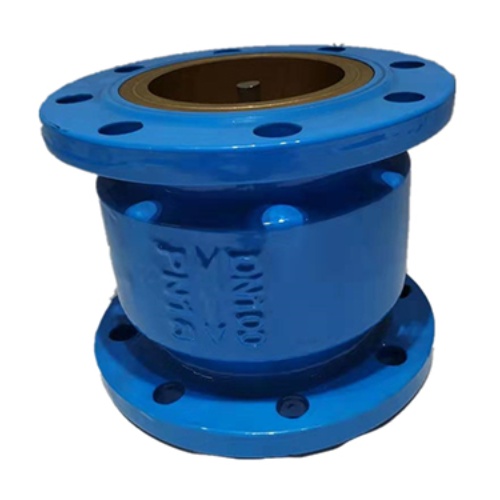
The Slow Closing Check Valve is a critical component in modern fluid control systems, designed to optimize performance and reduce operational risks. Developed by Storaen (Cangzhou) International Trading Co., this innovative valve combines advanced engineering with practical functionality to address the challenges of industrial and commercial applications. This article explores the product features, technical specifications, advantages, application scenarios, and the company background of this essential device. Product Features: A Revolution in Fluid Control The Slow Closing Check Valve stands out for its novel structure and superior performance. Unlike traditional check valves that rely on gravity or spring mechanisms, this valve employs a hydraulic system to regulate the speed of opening and closing. This design ensures a smooth and controlled operation, minimizing the risk of water hammer (a sudden pressure surge caused by abrupt flow cessation). According to the National Institute of Standards and Technology (NIST), water hammer can lead to significant damage in piping systems, emphasizing the importance of slow-closing mechanisms in fluid dynamics ( NIST ). Key features of the Slow Closing Check Valve include: Excellent Sealing Performance : The valve’s design ensures minimal leakage, even under high-pressure conditions. Low Resistance and High Flow Capacity : Optimized internal geometry reduces flow resistance, allowing for efficient fluid movement. Adjustable Operation : Users can fine-tune the valve’s closing speed to match specific system requirements. Durability and Longevity : Constructed with high-quality materials, the valve is engineered to withstand harsh environments and extended use. Technical Specifications: Precision Meets Performance The Slow Closing Check Valve is designed to meet the demands of diverse industrial applications. Below is a detailed overview of its technical specifications: Parameter Specification Model 300X Slow-Closing Muffler Check Valve Pressure Rating 10-25 MPa (depending on size) Flow Capacity Up to 1,200 m³/h Material Stainless Steel, Cast Iron, or Carbon Steel (customizable) Connection Type Flange, Threaded, or Welded Operating Temperature Range -20°C to 150°C Service Life Over 10 years under normal conditions These specifications highlight the valve’s versatility and reliability, making it suitable for a wide range of industries, from water treatment to oil and gas. The adjustable closing speed allows users to tailor the valve’s performance to their specific needs, ensuring optimal efficiency and safety. Advantages: Why Choose the Slow Closing Check Valve? The Slow Closing Check Valve offers several advantages that make it a preferred choice for engineers and system designers: Reduced Water Hammer Effects : By slowing the closure process, the valve minimizes pressure surges, protecting pipelines and equipment from damage. Energy Efficiency : The low resistance and high flow capacity reduce energy consumption, lowering operational costs. Enhanced Safety : The valve’s controlled operation prevents sudden flow interruptions, reducing the risk of system failures. Customizable Solutions : Storaen offers tailored designs to meet unique application requirements, ensuring seamless integration into existing systems. According to a study published by NIST , the integration of smart valve technologies can significantly improve system reliability and reduce maintenance costs. The Slow Closing Check Valve aligns with these findings, offering a cost-effective solution for modern fluid control systems. Application Scenarios: Where the Valve Shines The Slow Closing Check Valve is ideal for applications requiring precise flow control and protection against pressure fluctuations. Common use cases include: Water Treatment Plants : Ensuring smooth water flow and preventing damage from sudden pressure changes. Industrial Piping Systems : Protecting pumps, turbines, and other critical equipment from water hammer. Oil and Gas Industry : Controlling fluid flow in high-pressure environments with minimal maintenance. HVAC Systems : Enhancing efficiency and longevity of heating and cooling systems. Storaen’s Slow Closing Check Valve is also used in agricultural irrigation systems and power generation facilities, where reliable performance is paramount. The valve’s adaptability to different environments makes it a versatile solution for engineers worldwide. Company Background: Storaen (Cangzhou) International Trading Co. Storaen (Cangzhou) International Trading Co. is a leading provider of industrial valves and fluid control solutions, with a strong reputation for quality and innovation. The company specializes in designing and manufacturing hydraulic and pneumatic components, serving clients across multiple sectors, including energy, manufacturing, and infrastructure. With a commitment to technological advancement and customer satisfaction, Storaen has established itself as a trusted partner for businesses seeking reliable and efficient fluid control systems. Their products are engineered to meet international standards, ensuring compliance with safety and performance requirements. For more information about Storaen’s products and services, visit their official website . Conclusion: A Reliable Solution for Modern Fluid Control The Slow Closing Check Valve by Storaen (Cangzhou) International Trading Co. represents a significant advancement in fluid control technology. Its innovative design, superior performance, and versatile applications make it an essential component for industries relying on efficient and safe fluid systems. By addressing common challenges such as water hammer and flow resistance, this valve offers a cost-effective and durable solution for modern engineering needs. For those seeking a reliable supplier of high-quality valves, Storaen’s Slow Closing Check Valve is a standout choice. Explore their product catalog and discover how their solutions can enhance your system’s performance and longevity. References 1. National Institute of Standards and Technology (NIST) . (n.d.). Fluid Dynamics and Valve Technologies. Retrieved from https://www.nist.gov . 2. Storaen (Cangzhou) International Trading Co. (2024). Slow Closing Check Valve Specifications. Retrieved from https://www.strmachinery.com/slow-closing-check-valve.html .
-

High quality industrial productsagement

High quality industrial products
View Details -

Meet the diverse needs of customers

Meet the diverse needs of customers
View Details -

Strict quality control

Strict quality control
View Details -

Top raw materials

Top raw materials
View Details -

Trusted supplier

Trusted supplier
View Details
Our application

news and information
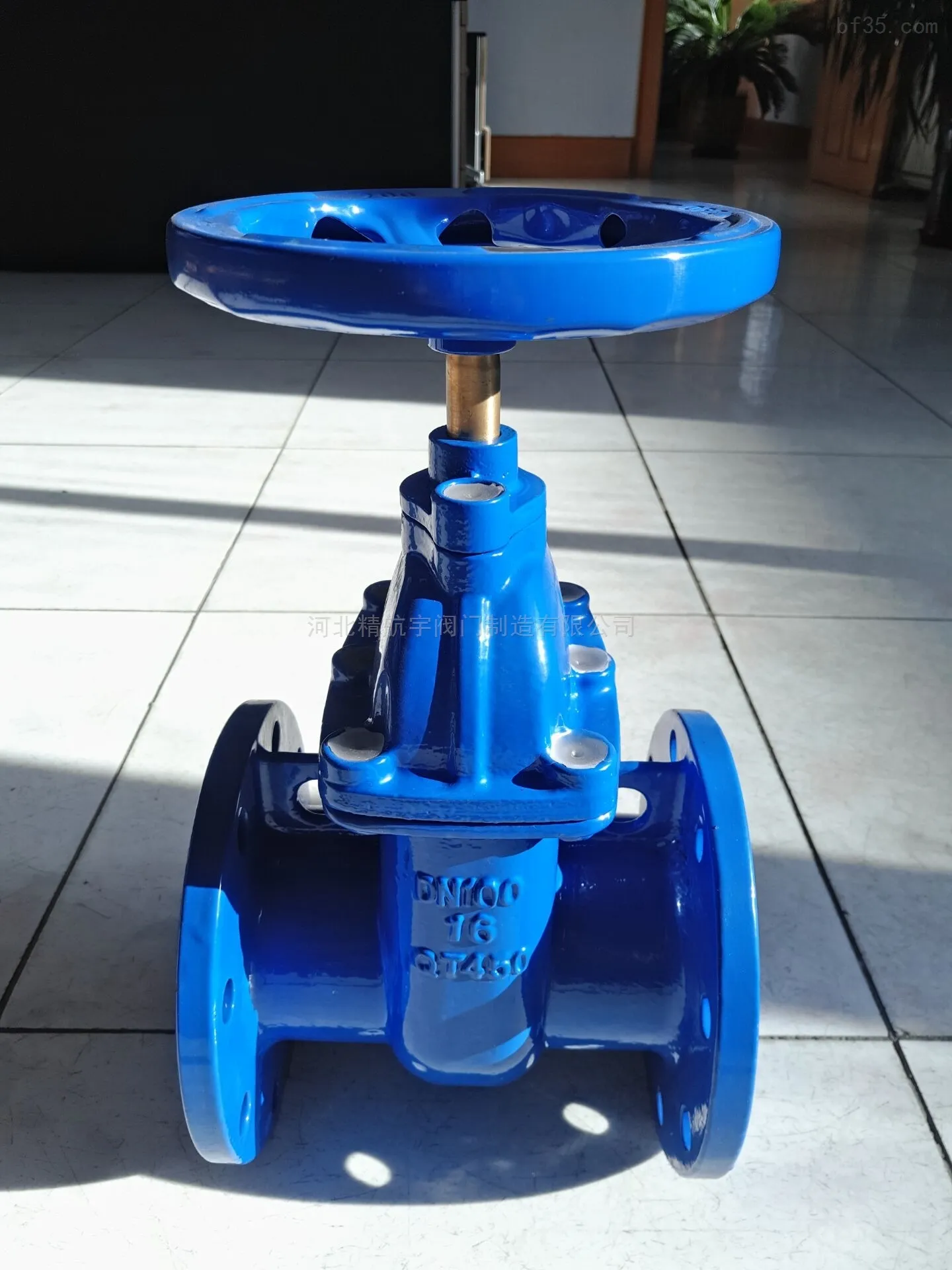
Van cổng 6 inch giá
Giá van cổng 6 inch Một số thông tin cần biết Van cổng là một trong những thiết bị quan trọng trong

v block v block
Understanding V Block A Fundamental Tool in Manufacturing and Engineering In the world of manufactur
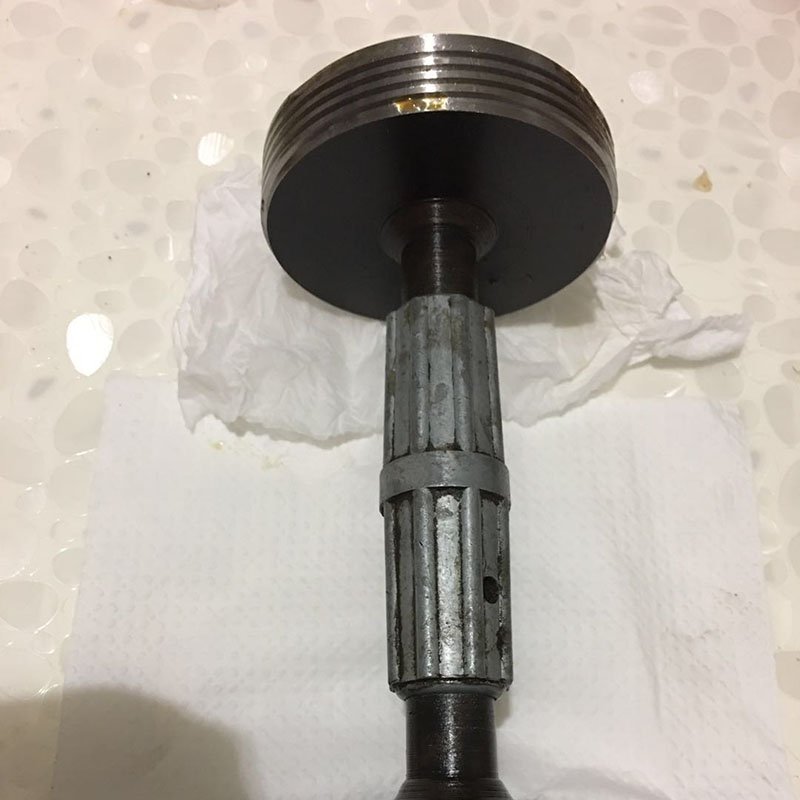
Versatile mushroom-shaped rebar cap with multiple functions
The Multi-Function Mushroom Rebar Cap Revolutionizing Construction Efficiency In the dynamic world
 English